Hygiene: a rare luxury
Hygiene on board was extremely limited. Fresh water was a precious resource and was therefore mainly reserved for drinking. Bathing was rare and far from a regular practice.
Over time, strong odours accumulated, along with humidity and poor ventilation. Parasites such as lice and fleas were common, as was the presence of rats. Basic needs were carried out in simple structures at the bow, far removed from any idea of comfort.
Food and water: simple, repetitive and difficult to preserve
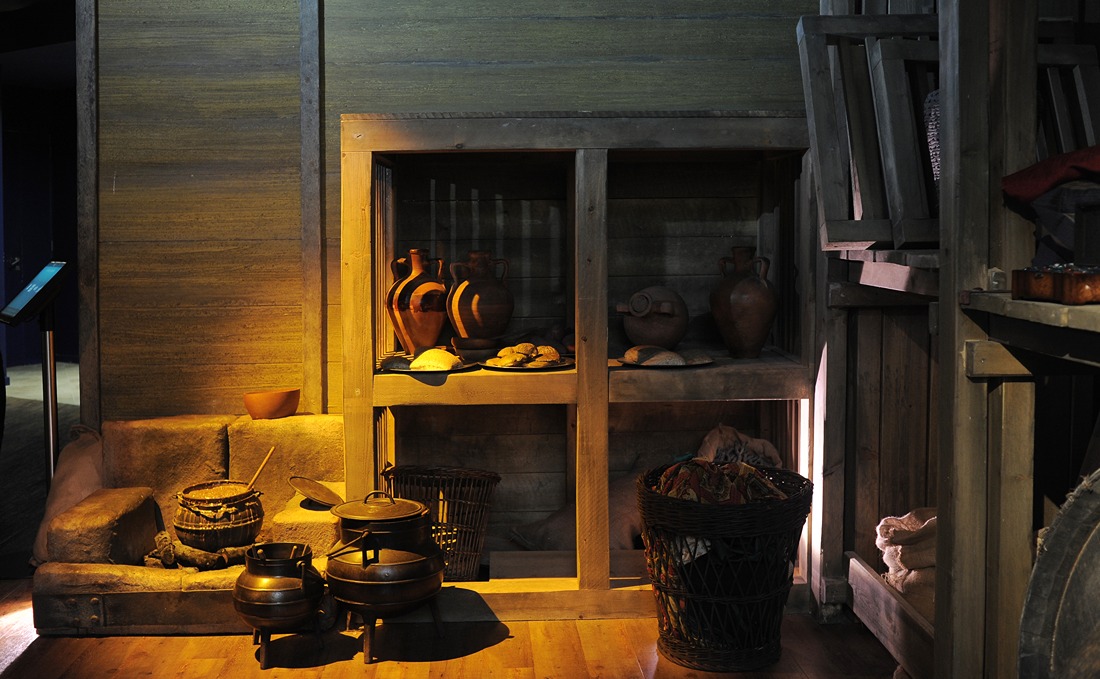
Without refrigeration, food preservation depended on traditional methods such as salting, drying and smoking. Even so, problems were inevitable:
- deterioration over time;
- humidity affecting supplies;
- insects and contamination.
The diet was limited and repetitive, based on:
- hardtack (often already in poor condition);
- salted meat;
- dried fish;
- legumes.
Water stored in barrels could deteriorate over time. In many cases, drinks such as wine or beer were consumed more frequently, as they were considered safer than spoiled water.
Sleeping: little space and irregular rest
Rest took place in confined and often damp spaces. Many sailors slept in hammocks or directly on the floor, in poorly ventilated areas. In addition, work shifts operated continuously, making rest irregular and frequently interrupted.
Constant dangers: the sea showed no mercy
On board, risk was constant. Among the main dangers were:
- storms and rough seas;
- accidents and shipwrecks;
- diseases;
- food shortages;
- attacks and conflicts.
Uncertainty was part of everyday life.
Moments of relief: small ways to endure
Despite everything, there was still space for moments of entertainment, such as simple games, songs and shared stories. These were brief but important, helping to ease the weight of long journeys.
The great voyages of the Discoveries changed the world, but they were made by people who lived a harsh and demanding reality. Understanding life on board Discoveries means looking at history in a more complete and realistic way, recognising what existed beyond the routes and maps.
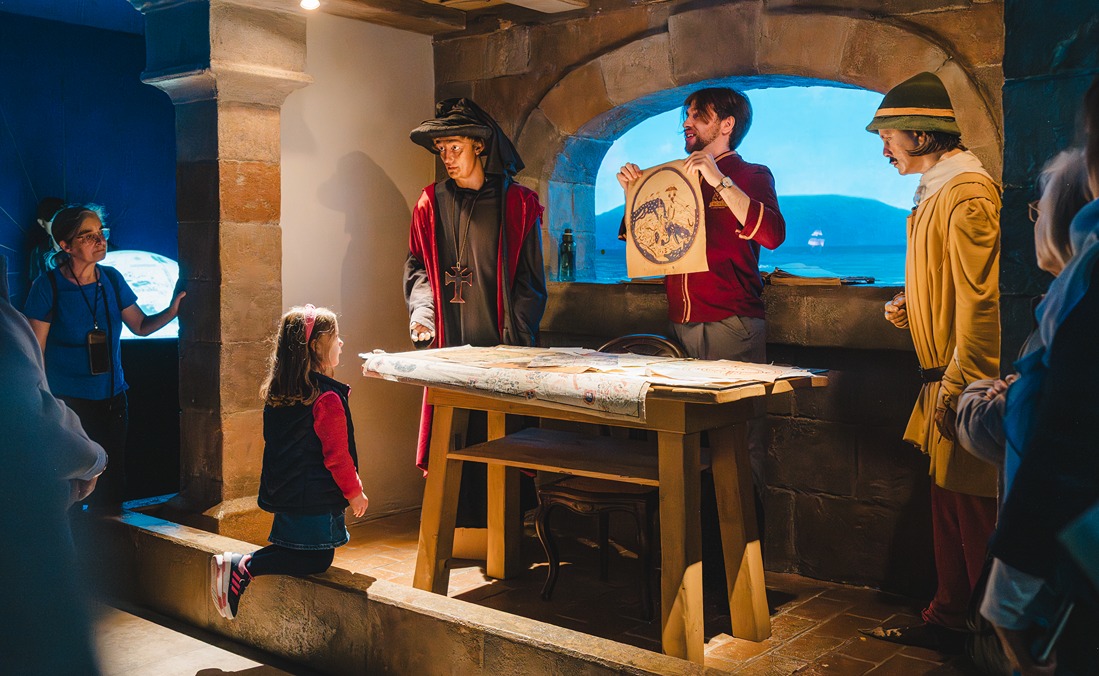
At World of Discoveries, it is possible to explore this human dimension and better understand the daily challenges faced by Portuguese navigators.
 Crie a sua conta